Enforce your vibe
Claude and ChatGPT can't hold everyone to the same standard. Brand Police can.
Brand Police turns your guidelines into a repeatable standard that can be applied to any asset, by anyone communicating for the brand, at any time.
Credentials
It’s like having a brand director in the room at all times.
Created by professionals with 15+ years shaping the creative infrastructure behind iconic brands.








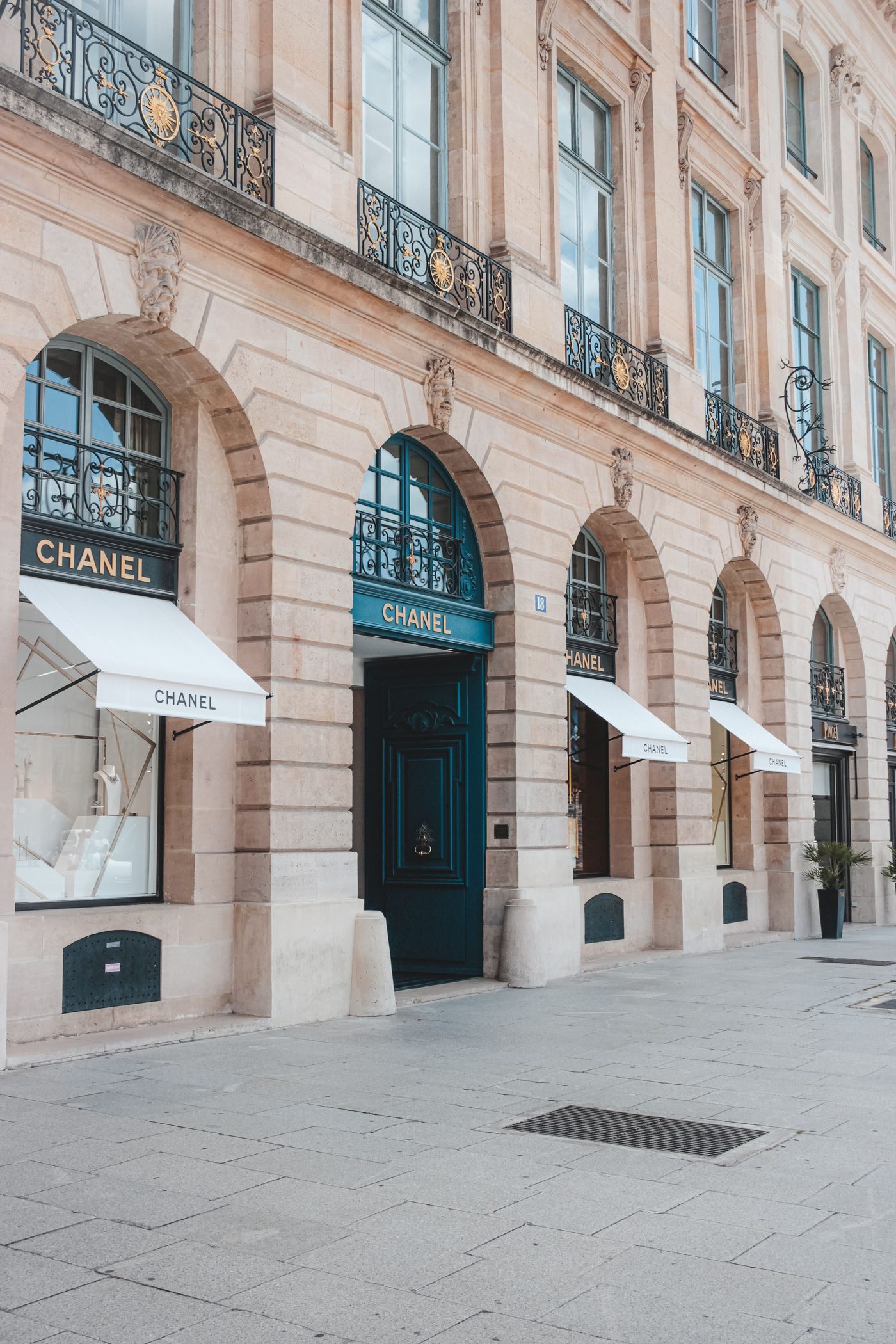
Your brand codes are only as good as the last person who ignored them.
Brand guidelines have never been self-enforcing. Uploading them to an LLM doesn't change that. Brand Police is built and calibrated by an elite brand strategist to understand not only your rules, but the thinking behind them, and apply that judgment to any asset in minutes.
The current challenge
More content. More creators. More ways for AI slop to creep into the brand.
AI has made it easier than ever for everyone who touches your brand to create content. It hasn't made everyone equally good at protecting it.
One person has a Claude Project. Another has a ChatGPT prompt. An agency has its own workflow. A regional team uploaded an old version of the guidelines six months ago. Everyone is moving faster, but they're not necessarily working from the same interpretation of the brand.
Without a shared operating system, AI can multiply the same problems brand teams already had:
- 1 —
Voice drift
Small inconsistencies compound across teams, markets, and AI workflows until the brand is no longer distinctive.
- 2 —
Bottlenecked approval
AI can make the first draft go faster, but senior review is still the only reliable filter. And brand leaders still have to catch what the AI missed.
- 3 —
Inconsistent enforcement
Different people, prompts, projects, and models produce different interpretations of the same guidelines.
The elegant solution
One brand standard. On call for everyone.
Brand Police turns high-level strategy into a shared working system, so everyone who speaks for the brand can access the same standard without memorizing the guidelines or becoming a brand expert.
- Aligned across every team
- Internal teams, regional markets, and outside partners work from the same rules.
- Issues caught before they’re public
- Problems get flagged before an asset ships, not after a customer screenshots it
- Feedback you can act on
- No more “this doesn’t feel on-brand.” You get the specific rule violation, and a clear remedy
- A record of every decision
- What was reviewed, what was flagged, how it was resolved
How it works
From drafted to cleared in minutes, no Slack discussion necessary.
Brand Police reviews your asset against your brand guidelines and tells you what's working, what needs tightening, and what shouldn't go live yet. The process is simple:
- 1 —
Submit an asset
Paste copy, upload a document, drop in a campaign. Brand Police checks it against everything it knows about your brand.
- 2 —
Review the Incident Report
Get a clear verdict — Red, Orange, or Green — with findings that cite and explain the exact rationale behind each violation.
- 3 —
Revise the asset
Brand Police offers a suggested revision to work from, or you can write your own.
- 4 —
Resubmit and ship
Recheck the revision. Most assets clear within three passes.
From rule to report
Turn your style guide into something that consistently produces value for your brand.
Every finding cites and interprets the exact guideline it came from. Corrections are specific, argued, and traceable — not a matter of opinion.
Incident Report — 04 findings
DetainedSpring Campaign — Master narrative & FR adaptation
Reviewed against Core Guidelines, Claims Policy and the Regional module (FR).
Assessment
The work is competent, but it argues from the wrong position. One structural issue must be resolved before this ships; three further findings affect voice, evidence and market adaptation.
- DetainedPositioning — Core Guidelines §1.2
The campaign argues on price, not on desire.
The opening promise (“more for less this season”) reframes the house as a value proposition. The brand's authority is built on rarity and craft; a discount frame concedes the ground the brand competes on.
- FlaggedVoice — Core Guidelines §2.4
Register drops from assured to eager.
Three sentences in a row open with an imperative and close on an exclamation. The house voice states; it does not solicit. Rebuild the paragraph around a single declarative line.
- FlaggedEvidence — Claims Policy §5.1
Performance claim carries no approved substantiation.
“Guaranteed results in seven days” is unsupported in the current evidence library and is not permitted in EU markets. Substantiate against an approved study or remove.
- HeldLocalization — Regional Module (FR)
French-market line reads as translation, not as origin.
The FR variant mirrors English syntax and loses the idiom used in prior market work. Recommend transcreation against the FR voice reference rather than a direct translation.
The benefits of Brand Police
Fewer bottlenecks. One standard. Zero guesswork.
Dramatically reduce the inefficiencies of the approvals process while gaining greater brand consistency.
Fewer review cycles
Assets arrive already checked, not as a first draft that still needs a full read against the guidelines.
Less senior time on routine checks
A director's pass becomes a final polish, not a line-by-line audit of things another team member should have caught already.
Faster path from drafted to live
Compliance arrives earlier in the process, so the gap between “written” and “published” shrinks.
Less time spent catching violations personally means directors can focus on high-level strategy and managers can focus on production deadlines.
The upside
33%
estimated revenue lift attributable to consistent brand enforcement across channels.*
*Source: Marq (formerly Lucidpress), State of Brand Consistency Report, 2019 edition. Self-reported survey data — directional, not audited financials.
Inconsistency is costly
The frictionless way to keep brand codes alive, every time, everywhere.
Brand drift is a tax on short-term revenue and a drain on long-term brand equity.
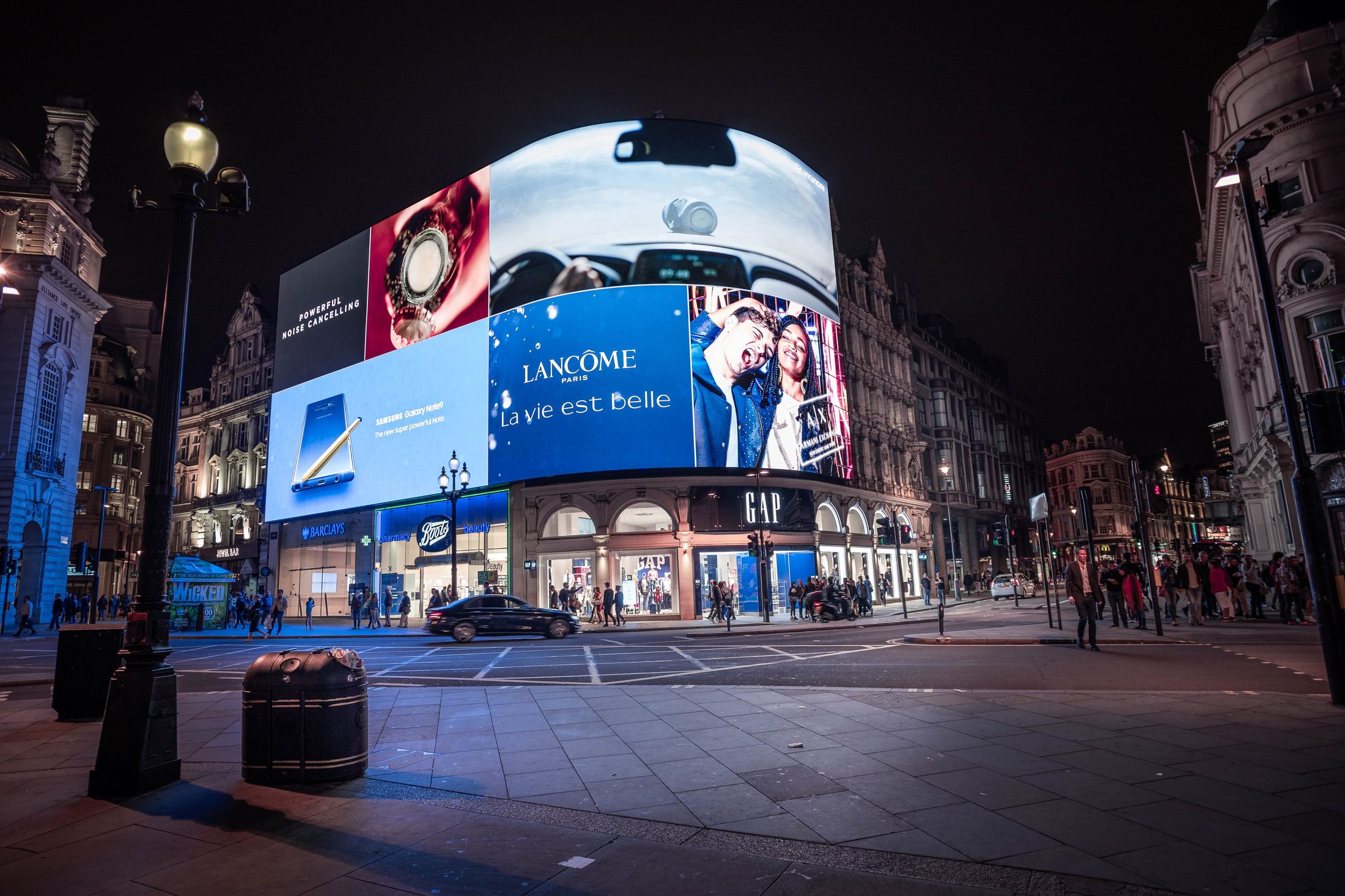
A phrase that’s not quite right. A line that reads slightly off. A word swapped by someone who never read the guidelines. Individually, these violations seem minor. Compounded across a thousand touchpoints and a hundred hands, even small inconsistencies erode brand clarity, and confusion costs conversion.
For brands that want to become and remain iconic.
The secret weapon of teams who understand the value of their brand, wielded by everyone who speaks for it.
- Prestige & luxury brand teams
- For houses where “on brand” isn’t a checklist — it’s the whole business. Catch drift before it reaches the customer, even subconsciously.
- Marketing & agency teams
- For brands whose voice runs through many sets of hands before it goes live — regional offices, freelancers, agencies of record.
- Everyone who creates for the brand
- Copywriters, social managers, regional offices, freelancers, agency partners. By the time an asset reaches a director’s desk, it’s already been checked.

Enterprise
One brand standard. As many layers as your organization needs.
Every Brand Police engagement begins with two layers of context: your core brand guidelines, plus a second set of guidelines for the campaign, launch or project currently in play.
For teams that need greater channel-specific precision, Brand Police can be customized for the environments where your brand speaks most often. Email, social, CRM, and product each come with their own conventions, structures, and rules.
Brand Police base model
- Core Guidelines
- your brand’s governing rules, applied across copy and channels.
- Campaign or project guidelines
- an additional layer of context
Available as custom modules
- Email & CRM
- subject lines, formats, and CTA conventions, plus audience, segment, personalization, and retention rules.
- Social
- platform conventions, hashtags, emoji use, and specific voices for each platform.
- Product & web
- naming conventions, product language, and on-site standards.
- Campaign & launch
- recurring campaign architecture, messaging hierarchy, and approved vocabulary.
- Regional & localization
- market-specific rules layered onto the global brand standard.
- Other platforms & applications
- Brand Police can be customized to enforce almost any strategy or ruleset
Who we are
The brains behind the badge.
Brand Police is a transatlantic partnership dedicated to keeping brands safe from drift, dilution, and crimes against good taste.

Cristina Black
Founder & Creative Director, c.black
C.BlackCristina Black is the founder of c.black, a Los Angeles-based luxury brand strategy consultancy specializing in narrative architecture and voice systems for luxury, beauty, fashion, and lifestyle brands. For more than 15 years, she has helped companies including Kérastase, Giorgio Armani Beauty, ILIA, Nike, Diptyque, Clinique, and MCM sharpen their positioning, codify distinctive voices, and build strategic frameworks that hold across campaigns, markets, and teams. Cristina brings a deep understanding of culture, narrative, and audience psychology to her work, translating complex brand ideas into clear, durable systems creative teams can use for years. She has been quoted in Vogue, featured on the Glossy Podcast, and speaks regularly on brand voice, positioning, and luxury storytelling.

David Symington
CMO & AI Builder
Agence 17David Symington is a London-based marketing leader with nearly two decades of experience building and protecting brands across technology, entertainment, sport and major international events, including leadership roles with Ticketmaster, TikTok, Warner Music and some of the world's largest event brands. He is the founder of Agence 17, where he works with organisations on brand, marketing and commercial strategy while developing AI-powered tools that solve practical marketing problems. He created Brand Police to turn the kind of brand judgement traditionally held by experienced marketing teams into a fast, accessible system that helps organisations keep every piece of communication consistent, distinctive and on-brand.
Request a demo
See Brand Police enforce your brand vibe.
Book a walkthrough built around your brand's actual rules, your team's workflow, and where things tend to slip.
Brand Police FAQ